

Create a shift schedule in Microsoft Teams: Step-by-step guide
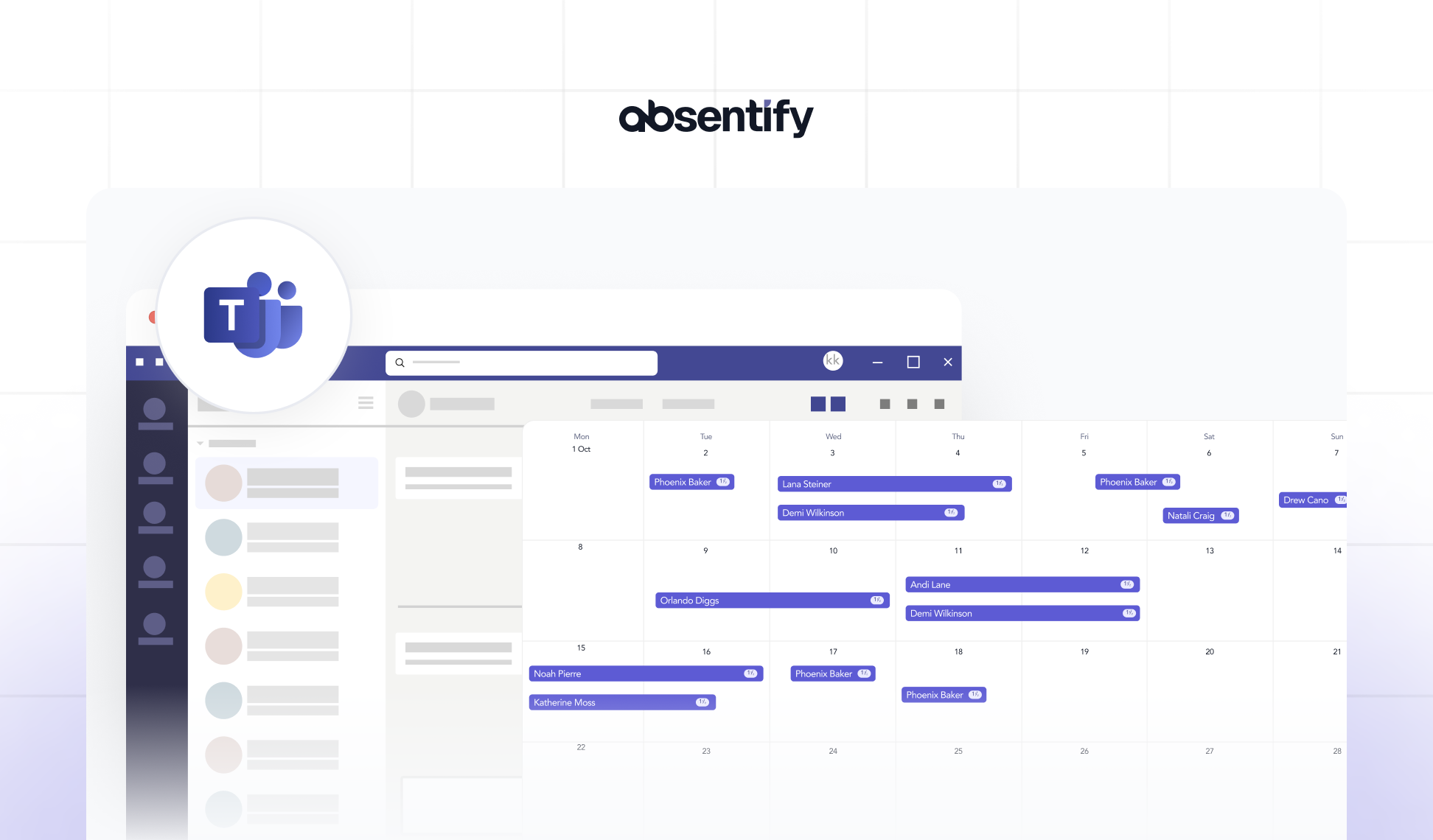
Microsoft Teams offers a tool with the Shifts app to create shifts, assign employees, and manage short-term changes.
In this article, you will learn how to set up the Shifts app in Microsoft Teams, add teams and staff members, customize shifts, and handle changes.
Initial setup of the Shifts app in Microsoft Teams
If you're already using Teams, you can add the Shifts app by following these steps. Make sure right from the start that you are logged in with your Microsoft account.
Find and add layer app
-
Windows Desktop/Web-App: Click on Apps or Add more (depending on your settings, the icon might be “...”). Search for Shifts and select the app to add it to your Teams.
-
Android/iOS: Tap on More (usually three dots) and look for Layers. Tap on Add.
Select a team group
As soon as you have opened the layers app, select the desired team from the list. If you manage multiple teams, check to make sure the shift scheduling is set up for the correct team.
Check permissions
By default, team owners have the ability to create and manage shifts. Make sure you have the role of team owner or at least the corresponding permissions. Otherwise, ask your IT admin or the existing team owner for the necessary access rights.
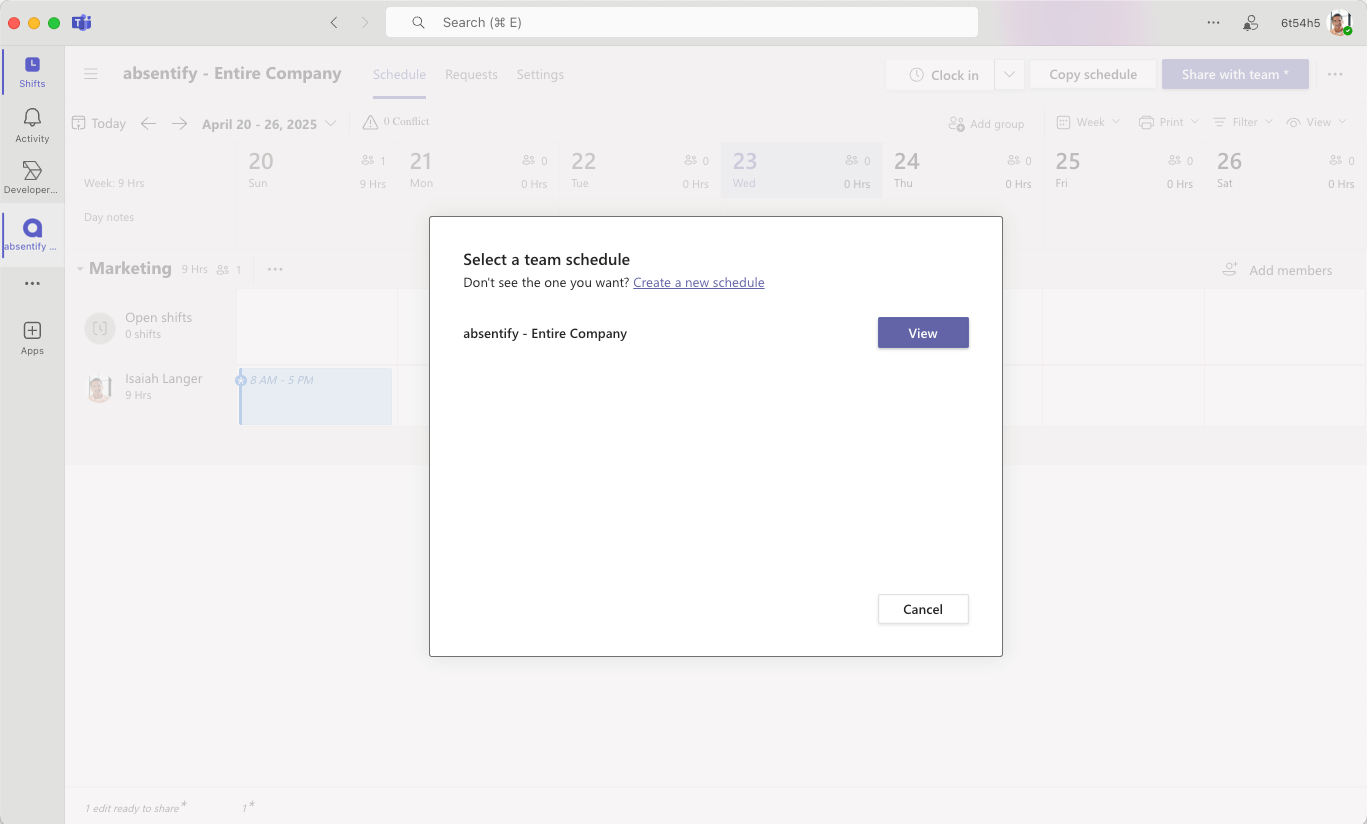

Create & manage shift schedules in Teams
Once the shift app is set up and you have all the permissions, you can create the first shift.
Create new schedule
Desktop/Web:
-
Click on the top right to create a schedule.
-
Select the time period or time zone, if necessary.
-
Confirm with Create.
Android/iOS:
-
Tap at the top (or in the context menu) on Create schedule.
-
You may need to select the team first, then set the desired time period.
-
Tap on Create.
Create layers
In the layer view, you see a calendar-like representation. Select the desired day in a row (employee) and a column (date) on which you want to add a shift.
-
Desktop/Web: Right-click on the respective field or click on “+” (plus symbol).
-
Android/iOS: Tap on the date and the employee's name and use the '+' symbol to create a new shift.
Give the shift a name, choose start and end times as well as break times. You can optionally add notes.
Use Templates & Repetitions
If shifts repeat weekly or monthly, you simplify your work by using templates.
-
Desktop/Web: Click on Copy after completing a shift and paste it into the following days.
-
Android/iOS: Tap on an existing layer, select Copy, go to the desired day and tap on Paste.

Assign employees to the shift schedule & make changes
Once the shift is created, you can assign employees to it. This is the final step to fully set up the shift in Teams.
Add employee
-
Desktop/Web: Click on Add team members, select names or email addresses from your organization.
-
Android/iOS: In Settings or in the Overflow menu (three dots) you can find the option Manage team or Add team members.
-
Add the users who should be integrated into the shift planning.
Assign layers
-
Create or select a layer and click/tap on Assign.
-
Desktop/Web: Select employees from the existing team.
-
Android/iOS: Tap on the layer, select Assign employee or add the name directly.
Inform the team about shift changes
Everyone assigned to the shift schedule will receive a notification in Teams when changes occur or new shifts are added.
-
Desktop/Web: You can also send a message directly through the Teams channel to explain the changes.
-
Android/iOS: Additionally, a push notification may appear on the smartphone.

Start for free now
No credit card required—enjoy unlimited access with our free plan. You can upgrade or cancel anytime.
Enter vacations or absences into the shift schedule
Microsoft Teams lacks the feature for absences and vacation tracking. This means: you can schedule shifts, but you can't see who has requested or already been approved for vacation during the planned time. Other types of absences, such as training sessions, cannot be directly entered into Teams either. There are two solutions for this:
-
Workaround: Create an additional layer named Vacation. This serves as a temporary solution, but other features such as vacation requests, confirmations, reasons for absence, etc., are still missing.
-
Retrofitting vacation and absence in Teams: Just like the app Shifts, you can also add absentify to Teams. This gives you a simple, yet comprehensive vacation and absence management system for free.
Manage vacations and shifts together with absentify
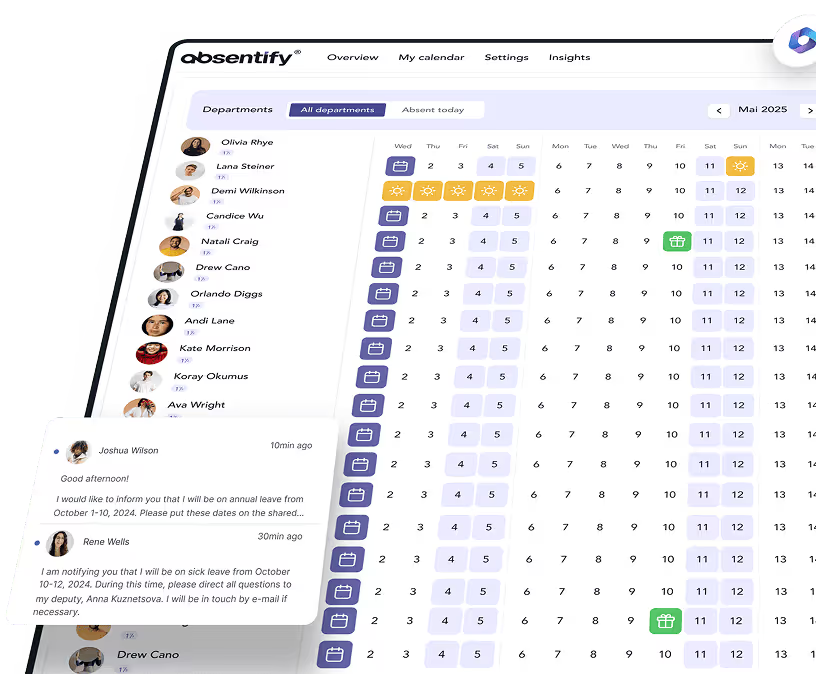
The app absentify is installed in just a few clicks directly into Teams and thereafter is indistinguishable from the familiar interface. Alongside the shifts, your team can now enter all vacations, vacation requests, and absences.
When planning new shifts, you can see the approved leaves and absences of your team members. The system uses this information to correctly calculate the amount of leave to be deducted from the leave entitlement. It takes into account whether a day within the approved leave period is a working day. Non-working days (such as weekends) are not deducted from the entitlement.

Would you like to simplify your absence management?
- No credit card required
- Unlimited free access
- Upgrade or cancel anytime
Shift Schedule in Microsoft Teams – Frequently Asked Questions
About the author

Anna Keller
Content manager at absentify
As a blog author at absentify, Anna Keller explains how companies can efficiently manage absences, vacations, and working hours. In her articles, she combines HR practice with Microsoft 365 tips for Outlook and Teams and provides templates, step-by-step instructions, and software comparisons for modern, digital processes.
Share article
More interesting articles
Reducing overtime: rights, duties and the process for employers and teams
Reducing overtime means offsetting accumulated extra hours with time off or payment. Under German employment law, the six calendar months or 24 weeks specified in the German Working Time Act apply solely to offsetting an extended working day against the statutory eight-hour average. Employment contracts, works agreements or collective agreements determine how an overtime balance can be reduced. Where these rules permit time off in lieu, the employer determines its timing and process within the scope of their right to give instructions.
Anna Keller
Content manager at absentify
When does unused leave expire? Deadlines and exceptions that determine your entitlement
Under German law, unused leave expires only under certain conditions: entitlement generally lapses on 31 December, or after the carryover period on 31 March, only if your employer has given you timely and specific notice of the impending expiry and you still do not take the leave. An exception applies in cases of continuous illness.
Anna Keller
Content manager at absentify
Employee Self Service (ESS): Definition, Features, and Benefits for Leave and Absence Management
Employee Self Service (ESS) gives employees access to manage their personal data, leave requests, or absences themselves without coordinating every step with HR. The term originally comes from SAP HR modules and has become an umbrella term for self-service features in human resources. Its benefits are particularly clear in leave and absence management.
Anna Keller
Content manager at absentify